

The ideas that formed the Constitution: part 5: Aristotle
James Madison admired Aristotle’s work “The Politeia.”
The ideas that formed the Constitution: part 5: Aristotle Read More »
James Madison admired Aristotle’s work “The Politeia.”
The ideas that formed the Constitution: part 5: Aristotle Read More »

This particular piece of sophistry is particularly beguiling, because it relies on several hidden fallacies….
Destroying Falsehoods Behind ‘You Didn’t Build That!’ Read More »

Instead of speculating on the issue, II’s Senior Fellow actually examined books of international law widely used among the founding generation.
The source of federal power to stop illegal immigration Read More »
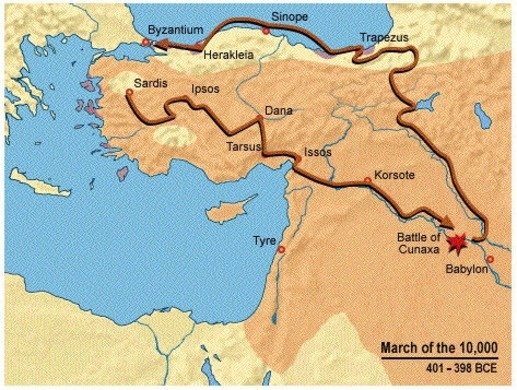
Some Federalists expressed pride in the Constitution precisely because they considered it more reality-based than Plato’s “Republic.”
The ideas that formed the Constitution, Part 4: the pioneers: Socrates, Xenophon, Plato Read More »
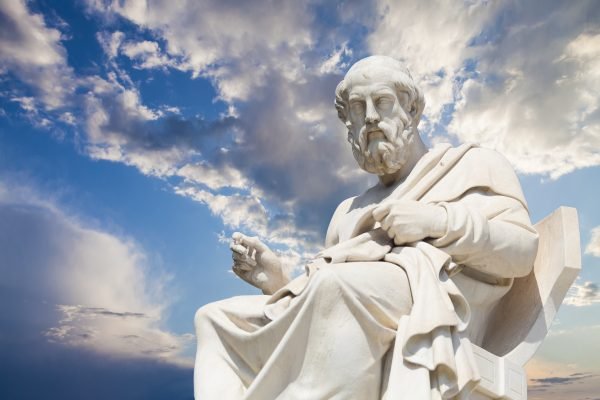
Plato refined Socrates’s classification of political systems and suggested that the better political forms tend to degenerate into corrupt forms. Aristocracy, for example, becomes oligarchy, and democracy becomes tyranny.
The ideas that formed the Constitution, Part 3: the pioneers: Socrates, Xenophon, Plato Read More »
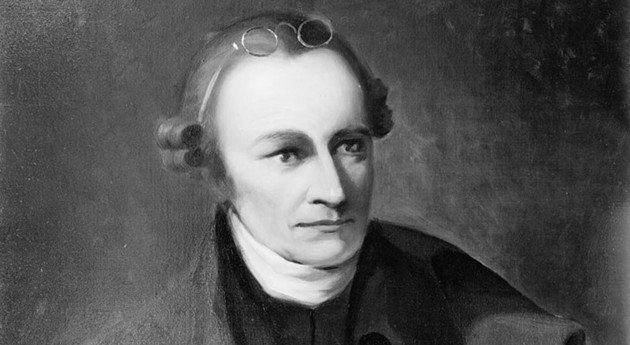
Eighteenth-century education encompassed religion, music, and English. . . . But the heart of the curriculum was made up of the Greco-Roman classics.
The ideas that formed the Constitution, Part 2: The Founders’ education Read More »
These essays will focus on the writers who taught the Founders their political lessons—their lessons in republicanism, in political organization, and in political virtue.
First in a series: The ideas that formed the Constitution Read More »