
The Poetry in the Constitution’s Preamble
Morris’ approach was unique and has served as an inspiration for constitution-makers ever since.
The Poetry in the Constitution’s Preamble Read More »
Morris’ approach was unique and has served as an inspiration for constitution-makers ever since.
The Poetry in the Constitution’s Preamble Read More »
Opponents of the new tax law are right to be concerned about federal overreaching, but they are barking up the wrong tree. They are inventing a fictional limit on federal authority while ignoring real ones.
Cuomo’s Claim that capping SALT deductions is unconstitutional is wrong Read More »
Once again, we are threatened with a federal government “shutdown.” Well, this citizen out in the hinterland says, “Bring it
Another government shutdown would be great for America Read More »
Fortunately, by the time the Constitution was written, this verbal confusion had been pretty much been sorted out.
Where the Constitution’s Word “Convention” Came From Read More »
Rob’s new research demonstrates that bans on “sectarian” aid were . . . designed to require state officials to discriminate in favor of mainstream Protestantism and against any faiths they deemed “bigoted” or “extreme.”
But let’s face it: The election of almost any of the major presidential candidates other than avowed socialist Bernie Sanders probably would have triggered a similar boom . . . the upsurge would have come because its principal cause has not been who was elected, but who has departed.
The link between Obama’s departure and your increasing wealth Read More »
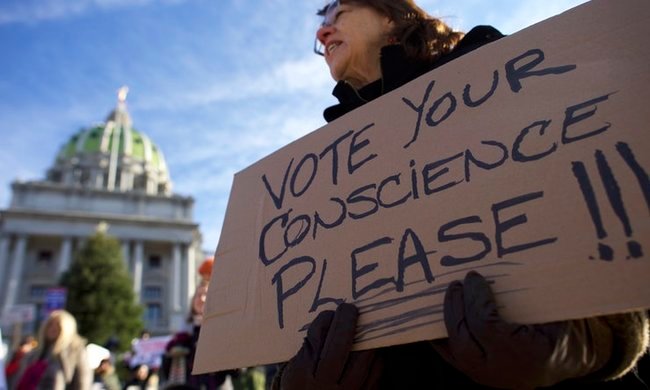
[T]he Hamilton Electors have good cause to claim the mantle of originalism.
Presidential Elector Discretion: The Originalist Evidence Read More »
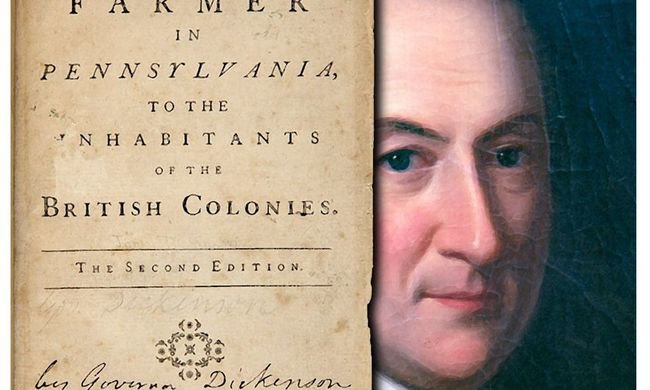
Watch this interview and learn what we owe to John Dickinson.
Jon Caldara interviews Rob Natelson on John Dickinson, “The Most Underrated Founder” Read More »
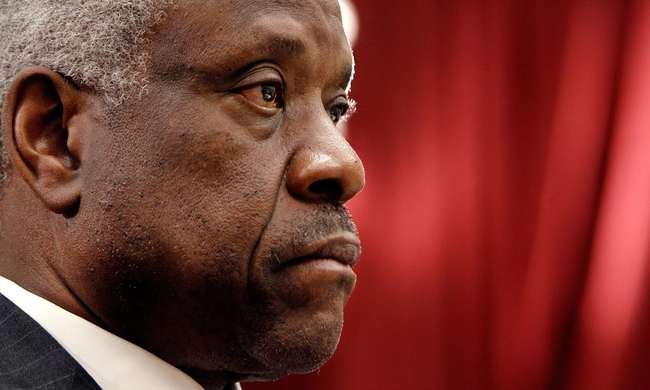
Rob’s research, published in the 2008 article, showed convincingly that Justice Thomas was right to be skeptical.
II Senior Fellow Natelson’s Research Again Relied on by a Supreme Court Justice Read More »

Comments from [the ratification] debates generally show that the ratifiers understood presidential electors were to exercise their own judgment when voting.
The two leading precedents in the English speaking world both reinforced dictionary definitions: Electors were to think for themselves.
The Electoral College is not part of the U.S. government, nor are the electors government officials.