
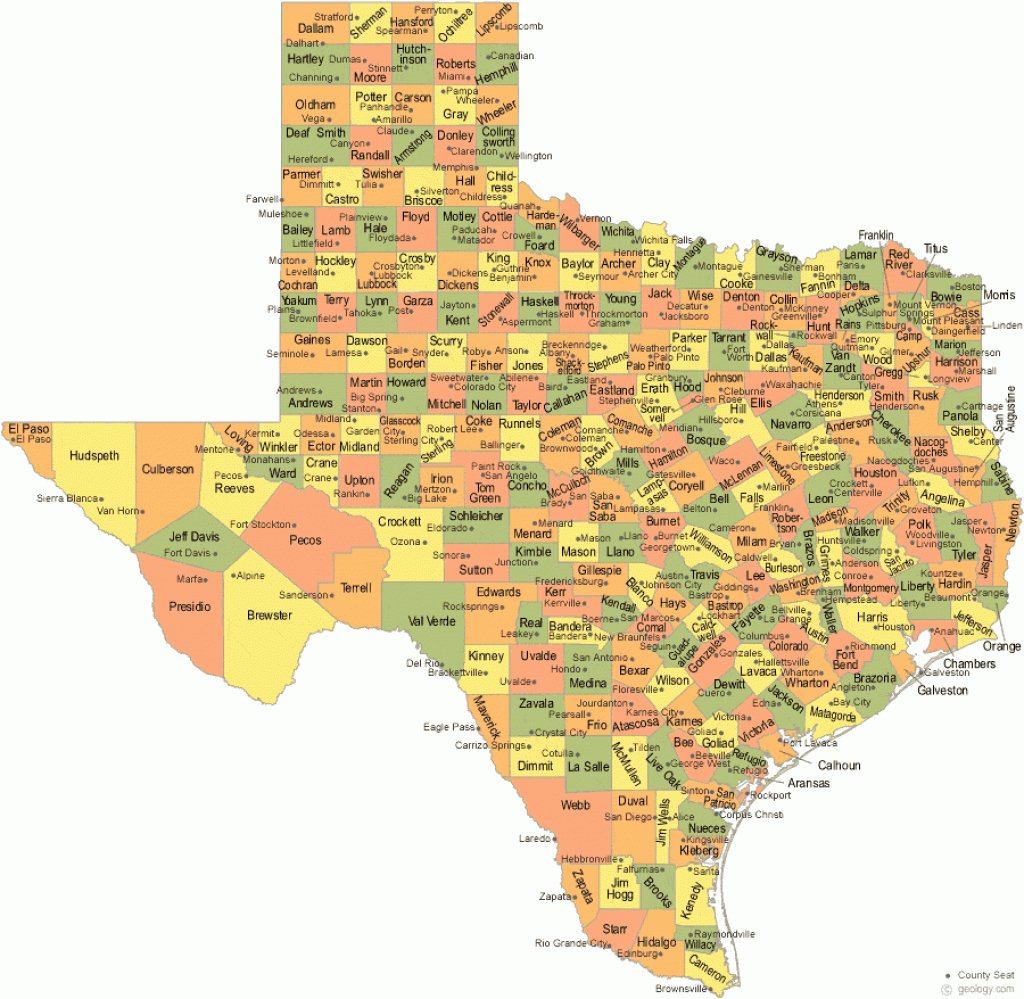
Explaining the Texas presidential election case: Where the Supreme Court was right and wrong
[T]he Texas case . . . raised important factual issues and crucial questions of constitutional law. But that’s not to say Texas should have won.
[T]he Texas case . . . raised important factual issues and crucial questions of constitutional law. But that’s not to say Texas should have won.
Control by the state legislature over the choice of electors is “plenary.” The dictionary tells us the meaning of “plenary” is “unqualified” or “absolute.”
Supreme Court: State legislatures resolve contested presidential elections Read More »
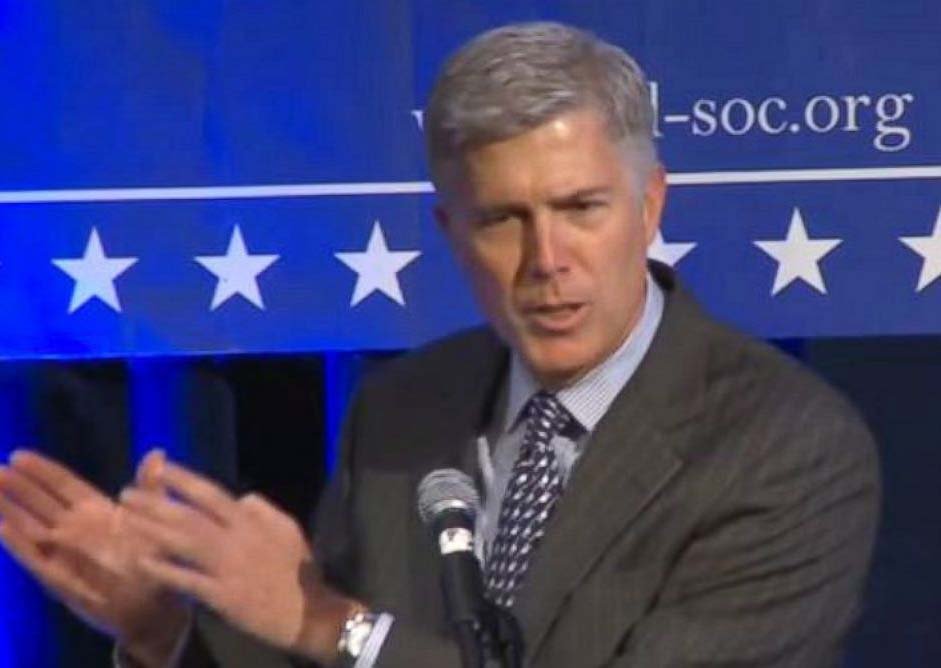
This case reflected an irony common these days: The majority the media calls “conservative” applying liberal precedent while the three most liberal justices argued against it!
New from the Supreme Court: A smashing victory for religious liberty Read More »

The [Electoral College] has protected us against highly fractured results and purely regional candidates in almost every election since 1824.
The new mainstream media tactic: Keep ‘em ignorant Read More »
At the close of every annual court term, commentators express surprise that so many of the court’s decisions over the previous year have been liberal. They never make the simple deduction that if the court is producing so many liberal decisions, then perhaps it is not “conservative” after all.
Even with Amy Coney Barrett, we don’t really have a conservative Supreme Court Read More »

In Justice Barrett we have a two-fer. She offers geographic diversity . . . And she offers educational diversity.
The significance of the Amy Coney Barrett appointment Read More »

The Constitution tells us that the president’s most important tasks are enforcing federal laws, nominating and appointing federal officers and judges, signing and vetoing bills, recommending measures to Congress, commanding the military, and . . . conducting foreign affairs. There is nothing in the job description about health care or pandemics, ending pollution, or fighting “institutional racism.”

[T]he “progressives” have lost the argument over constitutional meaning. And that is why they have pivoted to assail the document itself.
The Left’s War on the Constitution Read More »
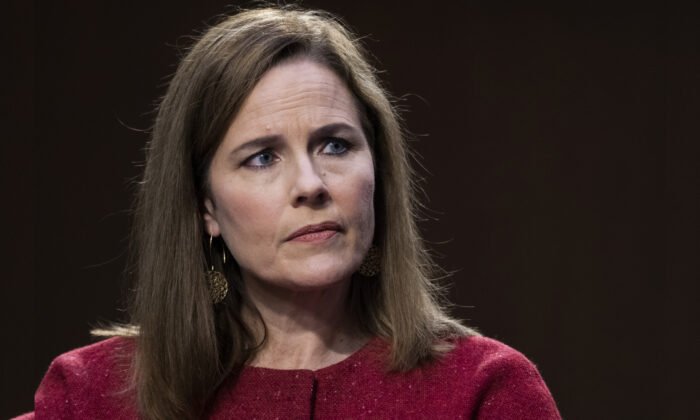
[T]he statements by Biden, Leahy, and Feingold are flatly incorrect. The current proceedings are neither “unconstitutional” nor “illegitimate” nor an attempt to “steal” anything.
Is the Nomination of Amy Coney Barrett Unconstitutional? Read More »
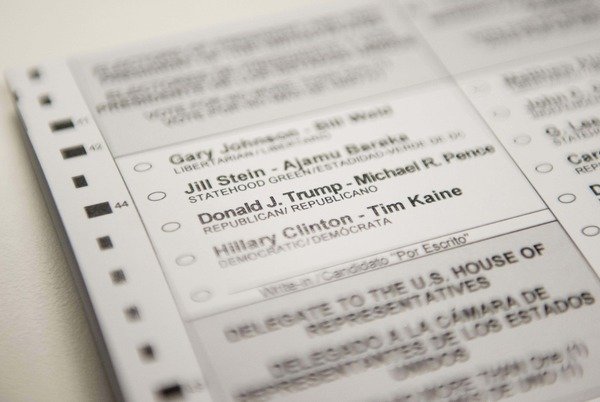
If we were to cut the presidency down to constitutional size, it wouldn’t matter so much that on rare occasions the position’s occupant was not the popular vote winner.
The Electoral College: The target of politicians who would make things worse Read More »

Most people would recognize the right to travel as an inherent, natural right of free people, and the courts say that it is the Constitution. But is it really there?
The “right to travel” Read More »

“Here’s an important, but widely overlooked, feature: The document doesn’t grant power only to federal officials. It also confers power on persons and entities who are not part of the U.S. government at all.”
Civics 101: How to understand the Constitution Read More »