

Insights into the Constitution from English Social History
Eighteenth Century social history helps us understand why the Constitution was written as it was.
Insights into the Constitution from English Social History Read More »
Eighteenth Century social history helps us understand why the Constitution was written as it was.
Insights into the Constitution from English Social History Read More »
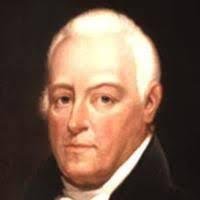
John Lansing, Jr. used the New York Bill of Rights as one basis for the proposed constitutional amendments drafted by James Madison.
How the New York Bill of Rights Helped Lead to the U.S. Bill of Rights Read More »
If the Framers had believed the Constitution would be construed by any rules other than those then prevailing, they would have worded it very differently.
Direct Taxes and the Founders’ Originalism Read More »

A federal court of appeals has upheld the right of Texas to defend itself against illegal immigration by erecting a barrier in the Rio Grande River.
United States v. Abbott and State War Powers Read More »

Although some judges and other writers have been confused about direct and indirect taxes, when the Constitution was adopted the definitions were, as John Marshall said, “clearly understood.”
The Constitutional Line on Direct Taxes Read More »
In light of the evidence, it is astounding that confusion over the Constitution’s categories of direct and indirect taxes still persists.
More Evidence that “Direct Taxes” include Levies on Wealth and Income Read More »

Some commentators have been building on the prevailing uncertainty to argue that wealth taxes are indirect and therefore need not be apportioned.
Moore v. United States and the Uncertainty About “Direct” and “Indirect” Taxes Read More »
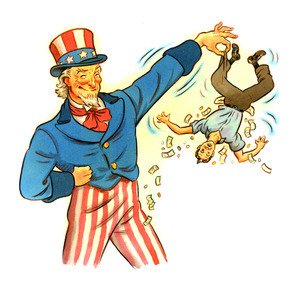
A law imposing a federal wealth tax would be unconstitutional unless the projected revenue was apportioned among the states by population.
Wealth Taxes and the Direct-Indirect Tax Controversy Read More »

Misunderstanding the Constitution’s term “direct tax” led the Supreme Court to erroneously uphold Obamacare. Next, it might lead to a new federal wealth tax.
Clearing Up the Confusion About the Constitution’s Term “Direct Taxes” Read More »

The Constitution’s crucial distinction between “direct” and “indirect” taxes was well-understood by the Founders, but due to lack of scholarly guidance the Supreme Court often has gotten the distinction wrong.
The Supreme Court Was Wrong About Taxes Read More »
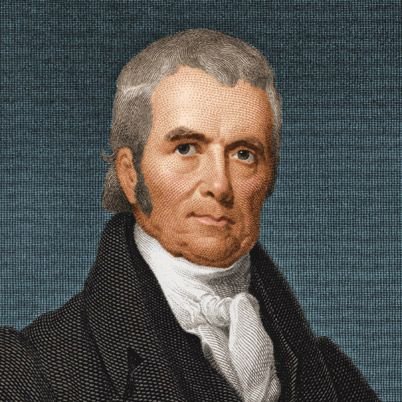
Was Marshall really a model for liberal activist justices? Learn the truth in this audio series.
Learn About Chief Justice John Marshall from Rob Natelson’s New Audio Series Read More »
The court reached the right conclusion, but it erred in two ways.
The Supreme Court’s Trademark Case and the First Amendment: Carrying History Too Far Read More »