
Underselling Originalism
Originalism is not a modern invention “[T]he ‘intent of the makers’ had been the lodestar of documentary construction since at least the 1500s.”
Underselling Originalism Read More »
Originalism is not a modern invention “[T]he ‘intent of the makers’ had been the lodestar of documentary construction since at least the 1500s.”
Underselling Originalism Read More »

How academics formed a completely erroneous “consensus” about the convention procedure of Article V.
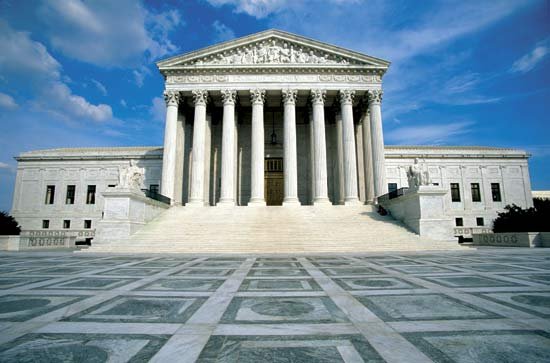
[The integrity of presidential electors] has taken on great urgency as “progressive” state legislatures increasingly meddle with free elections.
Two new briefs in the Supreme Court’s Electoral College case Read More »
Examples of high misdemeanors . . . were bribery, assault, and attempted murder.
New article: 18th century law shows impeachment requires a crime Read More »

[T]he search for a single “non-delegation” principle applicable to all congressional powers is a futile one. Instead, the scope of permissible delegation of any particular congressional power must be sought in the meaning of the words describing that power.
How much power may Congress delegate to federal agencies? Read More »
[S]etting minimum consumption ages is not a power the Constitution grants the federal government. The Constitution reserves it to the states.
Where were all the Constitution’s defenders when the feds raised the smoking age? Read More »
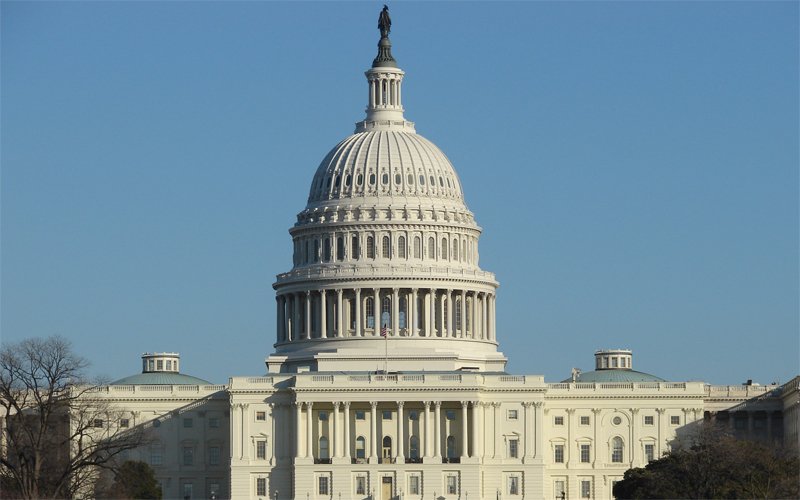
Impeachment law is not for amateurs. It rests on English parliamentary history extending at least as far back as the 1300s. . . .
What the “expert” panel should have told you about impeachment—but didn’t Read More »
These witnesses and their congressional sponsors apparently believe the consensus of professionals should control foreign policy. . . . But the Constitution squarely repudiates this “foreign policy by committee” approach.
Under the Constitution the President, not unelected bureaucrats, makes foreign policy Read More »
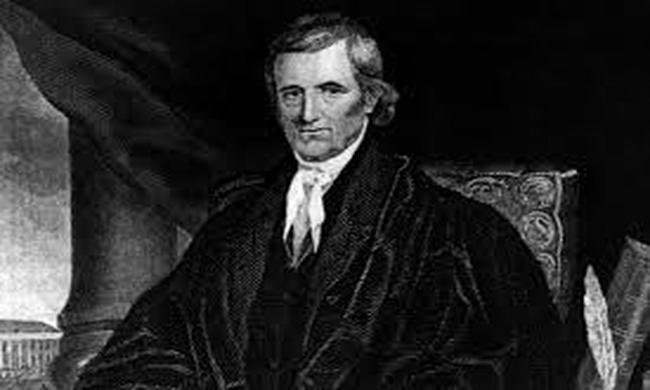
Nothing in the Constitution gives [the Speaker of the House a presidential-style veto.

[A] whole generation of law students has been trained to think that the 19th century courts were heartless tools of malicious capitalists, and that enlightened reform came only with the virtuous 20th century “progressives.”
Lies law professors tell Read More »

Originalism has been the prevailing method of documentary interpretation in English and American law for at least five centuries.
Real originalism (not the cartoon version some love to attack) explained Read More »
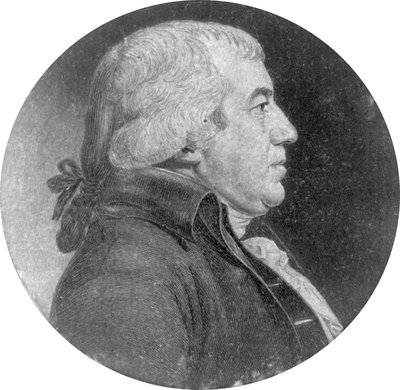
North Carolinians repeatedly—both in official and unofficial documents—referred to an Article V convention as a “convention of the states.”
New information on the Constitution’s ratification—Part IV North Carolina Read More »