

The Supreme Court’s New “Bump Stock” Firearms Case: A Victory for Gunowners and a Defeat for the “Deep State”
The real significance of this case is that it tells us the notorious “Chevron doctrine” is on the way out.
The real significance of this case is that it tells us the notorious “Chevron doctrine” is on the way out.
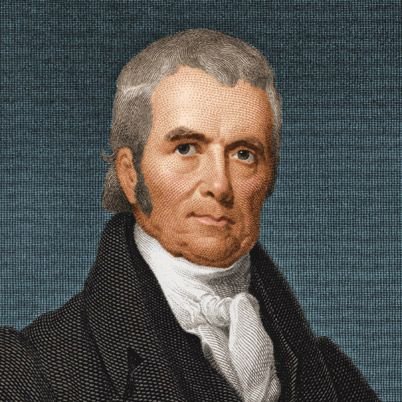
Marshall was not part of the “living constitution” project. He sought to interpret the Constitution according to “the intention of its makers.”
The Great John Marshall, Part 4 Read More »

A state supreme court justice has been flying flags with leftist symbols for years—without any outcry. How long do you think her judicial career would have lasted if she had displayed a MAGA flag?
Justice Alito is Criticized; a Liberal Judge Gets a Pass Read More »
There has been a effort in the law schools—and at times in the Supreme Court—to appropriate Marshall as a model for liberal activism.
The Great John Marshall, Part 3 Read More »
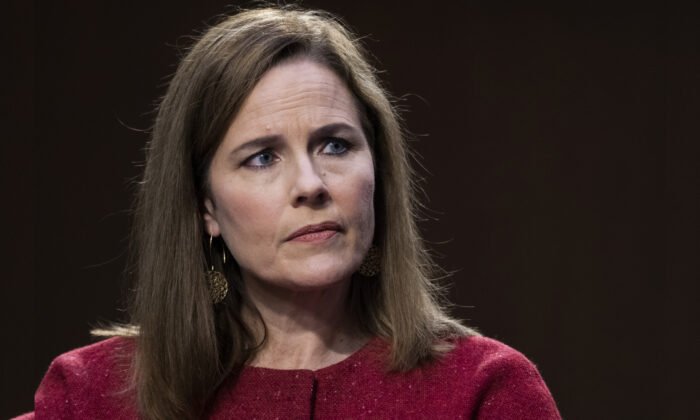
Justice Barrett’s opinion contains a readable survey of the court’s convoluted “takings” law.
SCOTUS Defends Property Rights, but Raises Constitutional Questions Read More »

If we are not to lose our freedom entirely, we shall have to find a way to restore the Commerce Clause to something like its original scope.
Understanding the Constitution: The Truth about the Much-Abused Commerce Clause Read More »

This latest survey—like all the previous ones—confirms that when the Constitution uses the word “Commerce,” it does so to mean only mercantile trade and its incidents.
The Meaning of “Regulate Commerce” to the Constitution’s Ratifiers: An Update Read More »
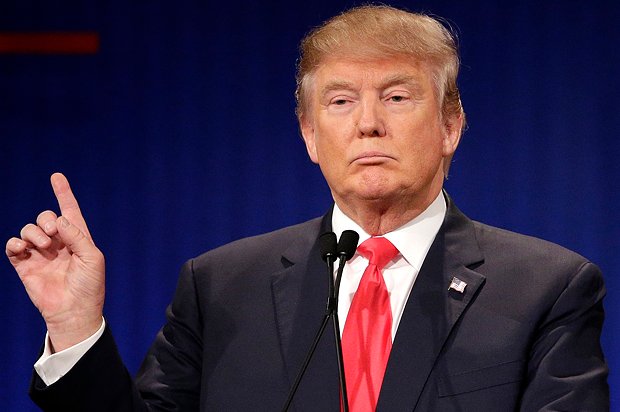
The Insurrection Act might apply if “woke” state university officials look the other way while mobs prevent conservative students from exercising their constitutional right to free speech.
What Trump Could—and Couldn’t Do—Under the Insurrection Act Read More »
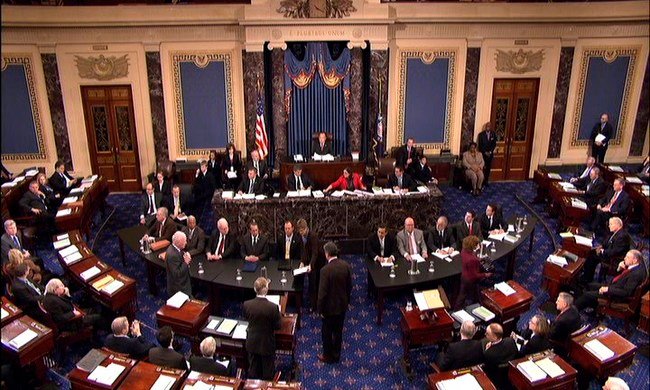
The current bench challenges administrative overreach, but not overreach by Congress.
Your Guide to This Year’s Constitutional Cases From SCOTUS, Part II Read More »
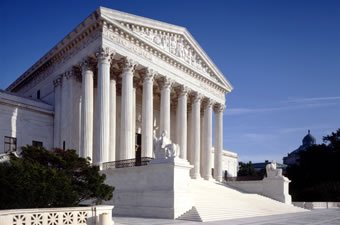
The Supreme Court issued both liberal and constitutionalist decisions.
Your Guide to This Year’s Constitutional Cases From SCOTUS — Part I Read More »

If it had been treated properly as a “freedom of the press” case, then whether designing was for business or personal purposes would have been irrelevant.
The “Christian Web Designer Case” Could Have Been Much Easier Read More »
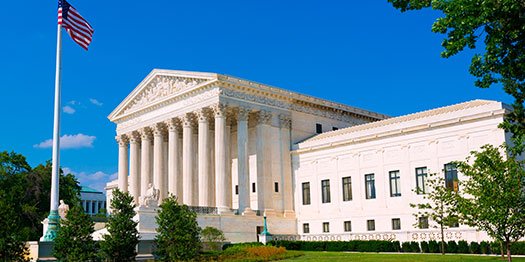
This case undermined state control over its own property law and probably gave the property owner an undeserved benefit.
Tyler v. Hennepin County: Why This Seemingly Innocent Decision is Disquieting Read More »