

Arizona v. Navajo Nation: SCOTUS Zags Back
A key part of the majority opinion seems to conflict with the majority opinion in an Indian law case decided just a few days earlier.
Arizona v. Navajo Nation: SCOTUS Zags Back Read More »
A key part of the majority opinion seems to conflict with the majority opinion in an Indian law case decided just a few days earlier.
Arizona v. Navajo Nation: SCOTUS Zags Back Read More »
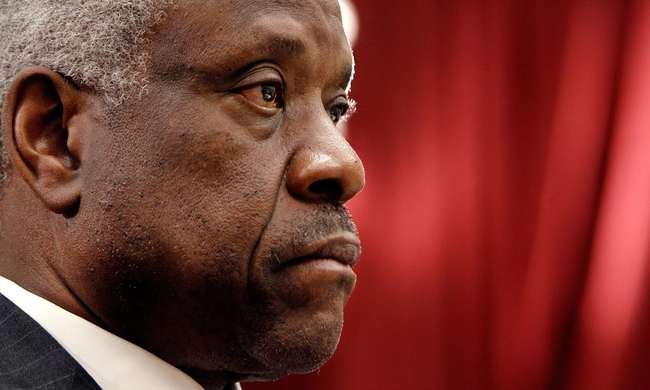
Justice Clarence Thomas frequently uses concurring and dissenting opinions to explain the Constitution’s fundamental principles.
Justice Thomas’s Latest Dissent: The Constitution and Federal Spending Read More »
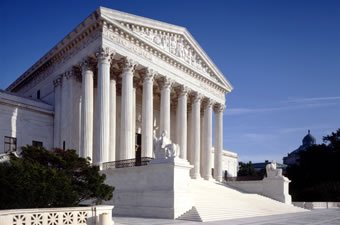
Justice Alito’s majority opinion held that the phrase “waters of the United States” means only defined bodies of water—such as lakes and streams—and those wetlands that so border them that their waters’ surface merges with the surface of the lake or stream.
SCOTUS Curbs EPA: The Sackett Case Read More »

The justices unanimously ruled that keeping the entire tax-sale proceeds was unconstitutional.
The Supreme Court’s New Decision on ‘Taking Property’ Read More »
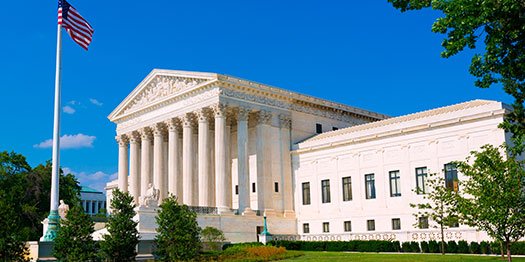
The Chevron doctrine imposes an almost impossible burden on citizens challenging the power of federal agencies. The Supreme Court might reverse that.
The Supreme Court Might Curb the ‘Deep State’ by Overruling the Chevron Case Read More »
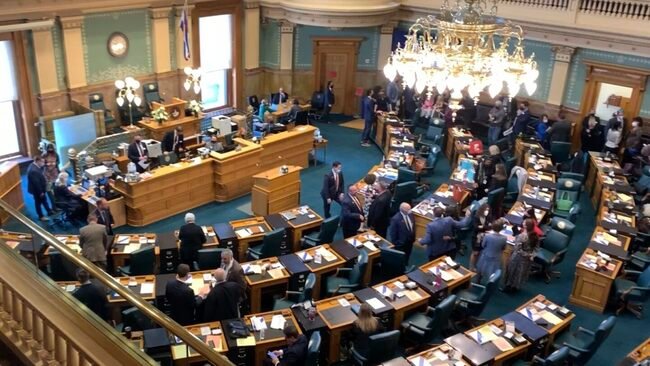
None of the four “progressive” mega-donors had any personal connections to most of the legislative districts they targeted. They didn’t live there, didn’t own property there, and in most cases probably had never seen the district.
The end of representative government? Read More »

Congress’ effort to regulate Indian child placement is unconstitutional.
New Video on the Limits of Congress’s Commerce Clause Power Read More »
A truly conservative-activist majority would strike down a range of state and federal economic regulations as violating due process. Gone would be minimum wage laws, maximum hour rules, price controls of any kind.
Here’s What a Truly Conservative Supreme Court Would Do Read More »

When the framers and ratifiers used the phrase “regulate Commerce” they meant “regulate trade.” Both “regulate commerce” and “regulate trade” meant to administer the body of jurisprudence known as the law merchant.
New Study Finds Administrative State Unconstitutional Read More »
During the Founding era, the phrase “regulate Commerce” had a very specific meaning
The real Commerce Clause—as the Founders knew it Read More »
In constitutional law, the methods applied by “progressives” are the new, partisan inventions. Originalism is the standard bequeathed by the ages.
Understanding the Constitution: Originalism was not invented by partisan Republicans Read More »
Some claim that when the word “Commerce” is applied to Native Americans, it magically balloons in scope, allowing Congress to regulate just about anything.
Will the Supreme Court stretch the Commerce Clause even more? Read More »